What is the difference between cutting a tree and trimming a tree?
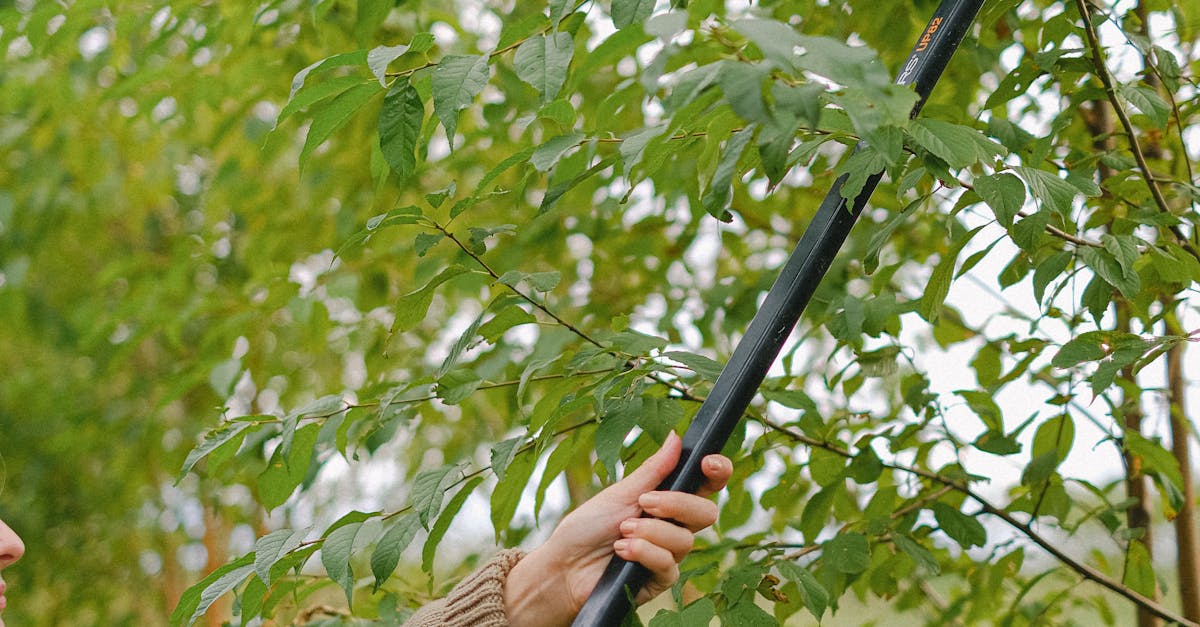
Tools Used for Tree Cutting
Chainsaws are among the most commonly employed tools for cutting trees. Their power and efficiency make them ideal for tackling large trunks and thick branches. Handheld chainsaws are popular for personal use, while larger, professional-grade models are often utilized in commercial logging operations. Safety gear, including helmets and protective eyewear, is essential to prevent injuries during the cutting process.
In addition to chainsaws, axes and hand saws serve as traditional and effective alternatives for tree removal. These tools require more physical effort but offer greater control, making them suitable for smaller trees or detailed work. When employing such tools, having the right technique is crucial to ensure both safety and effectiveness in the cutting process. Proper maintenance of the tools is also vital to keep them functioning optimally and to extend their lifespan.
Essential Equipment for Safe Removal
When it comes to safely removing a tree, several essential pieces of equipment are necessary to ensure the task is performed effectively and without incident. Chainsaws are the most common tool for cutting through the trunk and branches. Other important tools include safety gear such as helmets, goggles, gloves, and hearing protection to safeguard individuals from potential hazards. Additionally, ropes and pulleys can be employed to control the direction of the fall, minimizing risks to nearby structures and people.
Lifting equipment like stump grinders may be required once the tree is down, helping to remove the stump and roots efficiently. Proper ladders or scaffolding can also provide stability when dealing with taller trees. It's crucial to use high-quality tools that are well-maintained to avoid accidents during the removal process. Adhering to safety protocols and using the right equipment significantly reduces the likelihood of injury and ensures a more effective tree-removal operation.
Tools Used for Tree Trimming
When it comes to tree trimming, a variety of specialized tools are employed to ensure healthy growth and maintain the aesthetics of trees. Pruners, which are small, handheld cutting tools, are ideal for cutting small branches or stems. For larger branches, loppers provide the necessary leverage, making it easier to manage thicker limbs. Hedge shears serve a dual purpose, allowing for both trimming and shaping of bushes and trees. Each tool is designed to create clean cuts, minimizing damage and encouraging faster healing for the plant.
Safety is also a critical consideration when choosing tools for trimming. Many professional tree services opt for electric or manual saws for significant branches. These saws come in various sizes to accommodate different thicknesses. Additionally, pole saws enable users to reach higher branches without requiring a ladder. Finally, gloves, safety glasses, and hard hats are essential accessories to protect against potential injuries while working with these tools. Proper equipment not only enhances efficiency but also promotes a safer environment for both the worker and the tree.
Pruning Tools and Their Uses
Pruning tools play a crucial role in maintaining the health and aesthetics of trees and shrubs. Shears, also known as hand pruners, are essential for making clean cuts on smaller branches. Loppers, with their long handles, provide greater leverage for slicing through thicker limbs. For higher branches, pole saws allow for safe trimming without the need for a ladder. Each tool is designed to minimize damage to the plant while ensuring effective growth and shape.
Additionally, specialty tools like pruning saws and hedge trimmers cater to specific needs. Pruning saws are ideal for removing larger limbs, providing a clean cut that promotes healing. Hedge trimmers help shape and control the growth of hedges and topiaries, encouraging denser foliage. Understanding the proper tools and their applications ensures that pruning is done effectively, leading to healthier plants and improved landscape aesthetics.
Environmental Impact of Cutting Trees
The removal of trees can lead to significant ecological changes in the environment. Trees play a vital role in absorbing carbon dioxide, thus helping to mitigate climate change. Their absence can increase greenhouse gases, contributing to global warming. The disruption of local habitats can endanger various species that depend on trees for food and shelter. Soil erosion tends to increase as well, resulting in diminished land quality and increased sediment in waterways.
Beyond the immediate loss of habitats, cutting down trees can affect the overall landscape. The shade provided by trees moderates ground temperatures and improves water retention in the soil. When trees are removed, the microclimate changes, potentially making the area less hospitable for many species. Without a diverse range of plant life, the soil may become increasingly susceptible to invasive species, which can further alter the ecological balance.
Effects on Ecosystem and Wildlife
Tree cutting can have profound effects on local ecosystems and the wildlife that inhabits them. Removing trees disrupts habitats, leading to potential loss of food sources for various animal species. Birds, mammals, and insects depend on trees for shelter and sustenance. The abrupt alteration of their environment can result in declining populations and even local extinctions. Soil erosion may also occur, negatively affecting plant life and altering water cycles within the affected area.
In contrast, trimming trees generally poses less risk to the surrounding ecosystem. This practice often focuses on maintaining tree health and aesthetics while preserving the existing habitat. Pruning can encourage new growth and improve light penetration, which benefits the underbrush and promotes a diverse range of plant life. Wildlife may thrive in these pruned areas as they maintain access to food and nesting resources, contributing positively to ecological balance.
FAQS
What is the primary difference between cutting a tree and trimming a tree?
The primary difference is that cutting a tree involves completely removing it from its base, while trimming a tree involves selectively removing branches to improve its health, appearance, or growth.
Why is it important to use the right tools for cutting and trimming trees?
Using the right tools ensures safety, efficiency, and effectiveness in the task, preventing injury and damage to the tree or surrounding areas.
Can trimming a tree be beneficial for its health?
Yes, trimming can promote healthier growth by removing dead or diseased branches, allowing more sunlight and air to reach the tree.
What are some environmental impacts of cutting down trees?
Cutting down trees can lead to habitat destruction for wildlife, increased soil erosion, and a negative effect on carbon dioxide levels in the atmosphere.
Are there specific regulations regarding tree cutting and trimming?
Yes, many areas have regulations that protect certain tree species, requiring permits for cutting, and guidelines for proper trimming to ensure ecological balance.
Related Links
Tree Trimming Services Near MeHow can seniors get free tree removal in my area?
What is the average cost of tree trimming in my area?
What time of year is the cheapest for tree removal?