How often do trees need to be trimmed?
Professional vs. DIY Trimming
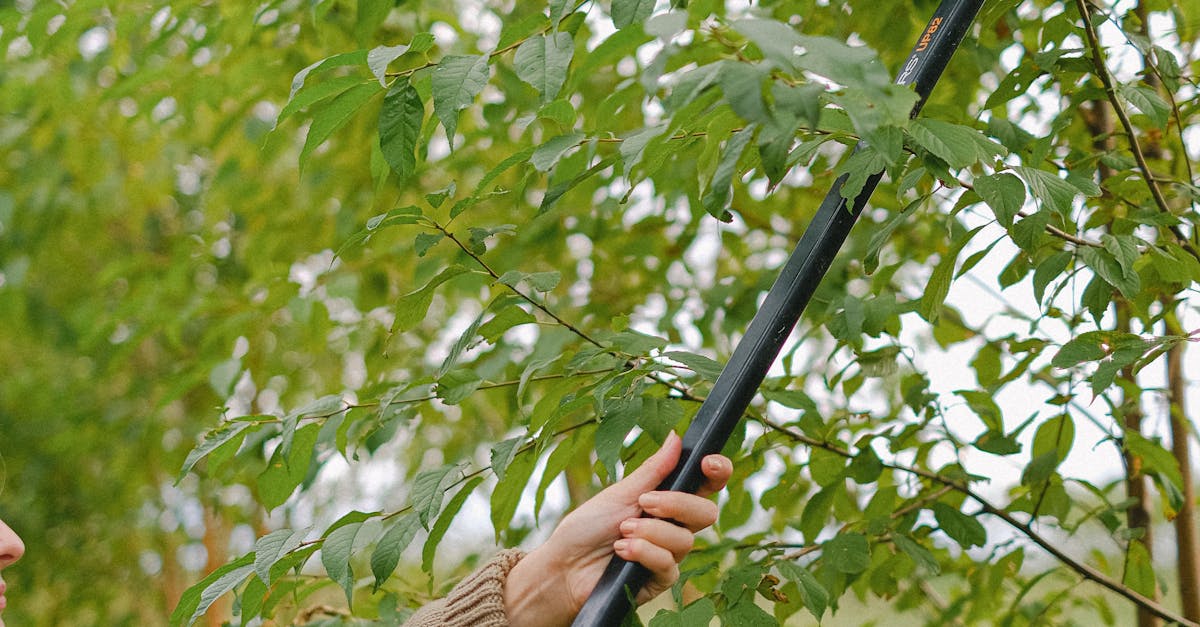
Tree trimming can be approached in various ways, and the decision between hiring a professional or attempting a do-it-yourself (DIY) job depends on several factors. Homeowners may choose to handle smaller projects on their own due to cost savings and a desire for hands-on involvement. Basic tasks like pruning smaller branches can be manageable for those with some gardening knowledge. However, challenges arise when dealing with large trees, which can pose significant risks without proper training and equipment.
Professionals often bring experience and expertise that can ensure the health of the tree and the safety of the individuals involved. They understand the biological needs of various tree species and can provide more nuanced care. Additionally, professionals are equipped with specialized tools that make the job more efficient. For larger jobs or those involving complicated branch structures, hiring an expert becomes not only a safer choice but also leads to better long-term outcomes for the trees and surrounding landscape.
When to Call in Experts
Certain situations warrant the expertise of professional arborists. If a tree is large or poses a risk to properties or power lines, specialized knowledge is essential to ensure safety during trimming. Professionals can assess the tree's health and address issues like disease or pest infestations that may require more than just simple trimming. Additionally, complicated branch structures may need careful planning and execution, minimizing potential damage to the tree and surrounding areas.
Homeowners should also consider hiring experts when they lack the necessary equipment for safe trimming. The use of ladders or chainsaws increases the risk of accidents without proper training. Professionals are equipped with appropriate tools and adhere to safety protocols. Ultimately, relying on experts can save time and prevent costly mistakes in tree maintenance.
Safety Precautions During Trimming
Trimming trees can be a rewarding process but poses certain risks when not approached with care. Wearing protective gear is essential to avoid injuries from falling branches or sharp tools. It is crucial to have the right equipment on hand, including a hard hat, safety goggles, and gloves. Ensuring a stable footing while using ladders or climbing gear helps prevent falls. Assessing the area around the tree can identify hazards such as nearby power lines, which further necessitate caution.
Being mindful of weather conditions is equally important during trimming. Windy or rainy days can complicate the task, making it more dangerous to handle tools at height. Working with a partner or informing someone nearby of your activity adds an extra layer of safety, as assistance is readily available in case of an emergency. Reviewing local regulations can also prevent legal issues arising from trimming within protected zones. Prioritizing safety reinforces a responsible approach to tree maintenance.
Essential Protective Gear
Ensuring safety during tree trimming requires appropriate protective gear. A well-fitting hard hat safeguards the head from falling branches or debris. Eye protection is critical to shield against flying wood particles and dust. Heavy-duty gloves provide grip and minimize the risk of cuts or abrasions during the process. It's also wise to wear sturdy work boots with good traction to prevent slips and falls while navigating uneven ground and ladders.
In addition to basic gear, specialized equipment can enhance safety. Hearing protection is essential when using loud machinery like chainsaws or power trimmers. A face shield can offer extra coverage for the face and neck against sharp branches. High-visibility clothing can help increase awareness for all team members, especially in busy, populated areas. Each piece of equipment plays a vital role in creating a secure trimming experience.
Environmental Impact of Tree Trimming
Tree trimming plays a significant role in maintaining the health of urban forests and green spaces. It helps promote the growth of healthy branches and foliage, allowing trees to thrive while preventing the spread of diseases. When trimmed properly, trees can absorb more sunlight, which enhances their ability to produce oxygen and support local wildlife. Responsible practices during trimming also minimize disruption to the surrounding ecosystem, ensuring that habitats for various species remain intact.
However, if done excessively or at the wrong time, trimming can have negative effects on the environment. Severe pruning can weaken a tree's structure, making it more susceptible to pests and diseases. Additionally, the removal of too much foliage can reduce a tree’s ability to sequester carbon, undermining efforts to combat climate change. The timing and technique of trimming are crucial in balancing the benefits with the potential drawbacks, ensuring that the environment is better off in the long run.
Supporting Local Ecosystems
Tree trimming plays an essential role in maintaining the health of local ecosystems. When done properly, it promotes the growth of trees, allowing them to provide habitats for birds and other wildlife. Healthy trees also contribute to air and soil quality, supporting the broader environment. By making room for sunlight and reducing competition between branches, proper trimming techniques can enhance the overall vitality of the forest.
A well-managed tree population can positively affect various plant species within the ecosystem. When trees are trimmed at the right time, it enables flowering plants and underbrush to flourish. This diversity fosters stronger food webs and encourages a balanced ecosystem. Protecting native species while trimming can also support pollinators, further boosting ecological resilience.
FAQS
How often should trees be trimmed?
Trees should generally be trimmed every 3 to 5 years, but this can vary based on the species of the tree, its growth rate, and its health.
What are the signs that a tree needs trimming?
Signs that a tree needs trimming include overgrown branches, dead or diseased limbs, branches that are too close to power lines, and a lack of sunlight reaching the lower branches.
Can I trim my trees myself, or should I hire a professional?
While DIY trimming is possible for small jobs, hiring a professional is recommended for large trees or complicated trims to ensure safety and proper technique.
What safety precautions should I take when trimming trees?
Safety precautions include wearing protective gear, using the right tools, securing the work area, and being aware of your surroundings, especially overhead power lines.
Does trimming trees have an impact on the environment?
Yes, responsible tree trimming can positively impact the environment by promoting healthy growth and supporting local ecosystems, while improper trimming can harm tree health and wildlife habitats.
Related Links
Why Regular Tree Trimming Services Near Me Are EssentialWhat is the average cost of tree trimming in my area?
Why is tree trimming important?
What happens if you don't prune?